

Should everyone be free for education? – Education is often touted as the key to unlocking opportunity and empowering individuals. But is it truly accessible to everyone? The question of universal access to education is complex, touching on socioeconomic factors, geographic limitations, and personal circumstances. While many countries have made strides in expanding educational opportunities, significant disparities remain, leaving many behind. The debate around free education delves into not just the practicalities of funding, but also the philosophical underpinnings of societal responsibility and individual opportunity.
Consider the myriad challenges faced by students in marginalized communities. Limited resources, inadequate infrastructure, and a lack of qualified teachers can create substantial barriers to learning. Furthermore, cultural factors and societal expectations can further complicate access to education for some groups. The simple answer isn’t always straightforward. We need to look beyond the surface and examine the systemic issues that contribute to inequality in education.
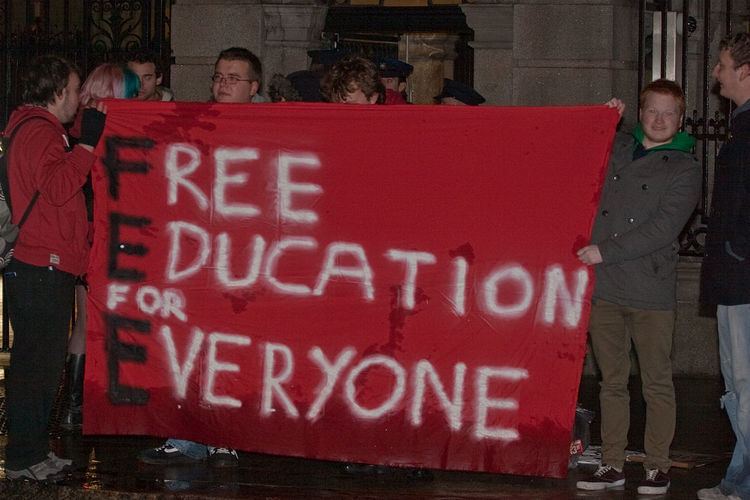
Should everyone be free for education? A resounding yes, in theory. But the reality is far more nuanced. Free education, while an admirable goal, presents practical and logistical hurdles. Funding models, teacher training, and curriculum development all require careful consideration. How do we ensure quality education for all without compromising the standards and resources needed to support a high-quality educational experience? It’s a delicate balance, one that requires ongoing dialogue and innovative solutions.
One potential solution lies in exploring alternative funding models and innovative approaches to education. For instance, exploring micro-financing opportunities for students in developing countries or implementing community-based learning initiatives could help bridge the gap. Think about the potential of technology to revolutionize access to education. Online learning platforms, digital libraries, and interactive educational resources could extend educational opportunities to remote communities and individuals with limited access to traditional schools. Here are a few examples:
- Flexible learning formats: Online courses, blended learning models, and individualized learning plans can cater to diverse needs and learning styles.
- Community-based learning: Utilizing local resources and expertise to create localized learning experiences.
- Mentorship programs: Pairing students with experienced mentors to provide guidance and support.
Ultimately, the pursuit of universal access to education requires a multifaceted approach. It’s about recognizing the interconnectedness of education with other societal factors, addressing systemic inequalities, and fostering a culture of inclusivity. It’s a continuous journey, one that demands ongoing commitment, innovation, and a dedication to ensuring that education serves as a catalyst for opportunity for all.
Famous Entity Related
Consider referencing prominent figures in education reform, such as Malala Yousafzai, Nelson Mandela, or figures like Bill Gates and their organizations to further engage the reader and provide a sense of historical and contemporary context.